Review: Mushrooms Art Boho for Small Business
As an embroidery designer who has spent years translating digital files into tangible brand assets, I approach every new design with a critical eye. When I first opened the file for Mushrooms Art Boho, my initial thought was not just about its aesthetic appeal, but its viability for commercial use. In the world of small business merchandise, a design must do more than look pretty; it must communicate quality, reinforce brand identity, and withstand the rigors of production on various materials. This review evaluates how this specific machine embroidery design performs when applied to real-world scenarios like staff uniforms, branded patches, and boutique merchandise.
First Impressions: Aesthetic Versatility and Brand Fit
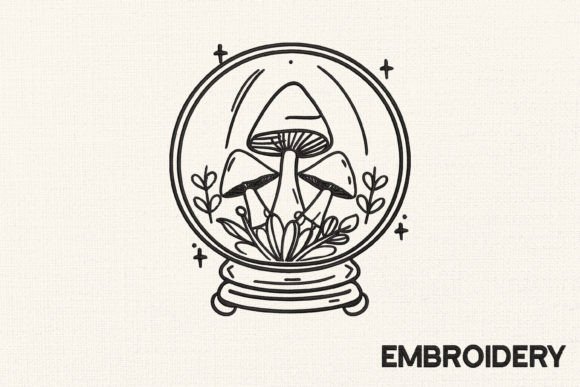
The title Mushrooms Art Boho immediately suggests a specific visual language: earthy, organic, and slightly whimsical. For businesses operating in the handmade sector, such as bakeries, florists, or eco-friendly boutiques, this design hits a sweet spot. It feels professional yet approachable, avoiding the overly corporate stiffness that can alienate customers seeking authentic connections. The "Boho" classification implies flowing lines and natural motifs, which translate well into threadwork. However, the true test lies in whether the digital art maintains its integrity when converted into stitches. Upon inspection, the design offers a balance of detail and negative space that is crucial for high-quality custom apparel.
For a small business owner looking to elevate their product line, this design serves as an excellent anchor for a collection. It works particularly well for brands that want to project a rustic, premium, or artisanal image. Whether placed on a linen tote bag or a denim jacket, the organic shapes of the mushrooms provide a tactile texture that enhances the perceived value of the finished product. It is not merely decoration; it is a strategic asset that can define the visual consistency of your brand across different touchpoints.
Real-World Applications for Merchandise and Uniforms
When evaluating a digital embroidery file for commercial purposes, I always consider the breadth of its application. The description notes that this design is versatile enough for pillows, tote bags, jackets, and framed artwork. From a business perspective, this versatility is a significant advantage. Let's break down how Mushrooms Art Boho performs in specific high-value categories:
- Embroidered Patches: This is perhaps the most effective use case. Creating detachable patches allows you to stock inventory without committing to specific garments immediately. You can sew these onto hats, backpacks, or repair worn-out logos on work shirts. The distinct outlines in the mushroom design hold up well in patch form, ensuring the logo remains crisp even when cut from the backing fabric.
- Staff Uniforms and Aprons: For a café or a craft studio, apron embroidery adds a layer of professionalism that screen printing cannot match. Placing a smaller version of this design on the chest pocket or bib of an apron creates a subtle brand mark. It signals to the customer that attention to detail is part of your service culture.
- Cap Embroidery: Hats are a staple for event merch and giveaways. While curved surfaces can be tricky, the rounded nature of the mushroom caps in this design complements the curvature of a baseball cap front. It avoids the sharp angles that often cause puckering on structured headwear.
- Tote Bag Design: Totes are walking billboards. A large-scale application of Mushrooms Art Boho on a canvas tote bag makes a bold statement. The design's ability to scale means it looks equally impressive as a small accent or a dominant feature, making it ideal for retail bags or conference swag.
Strategic Considerations for Production
While the potential is high, successful execution requires careful planning. As a designer, I advise against rushing this file into mass production without testing. Here are the critical areas where caution is necessary to ensure the best results:
Size Limitations and Detail Retention
One of the primary challenges with intricate botanical designs is scaling them down. If you attempt to use Mushrooms Art Boho for a tiny logo on a cuff or a very small patch, the fine details may become indistinguishable. The stitch density could become too high, leading to stiff fabric or thread breaks. Always check the minimum recommended size before finalizing your order. For cap embroidery, ensure the design fits within the standard 3-inch width without losing definition.
Fabric Texture and Stabilization
The success of any embroidery depends heavily on the substrate. Textured fabrics like heavy denim, fleece, or woven cotton can interfere with the smooth flow of the threads. Because this design likely contains curves and varying densities, using the correct stabilizer is non-negotiable. On stretchy knits or textured upholstery, a tear-away stabilizer might not suffice; a cut-away or wash-away option will likely yield a cleaner finish. Testing on the actual fabric intended for production is essential to prevent puckering.
Color Contrast and Thread Selection
The "Boho" aesthetic often relies on earth tones. When embroidering on dark uniforms or black tote bags, you must carefully select thread colors to ensure visibility. A light beige mushroom on a dark brown background might lack the necessary contrast for immediate brand recognition. Conversely, on light-colored items, ensure the thread colors pop without clashing. Reviewing a printable mockup with your chosen color palette before stitching can save hours of rework.
Impact on Brand Identity and Customer Trust
In the competitive landscape of Etsy sellers and local boutiques, the quality of your branding directly influences customer trust. High-quality commercial embroidery signals that your business values craftsmanship. When a customer receives a tote bag or wears a shirt featuring the Mushrooms Art Boho design, they are interacting with a physical representation of your brand's standards.
This design contributes to a cohesive brand identity by offering a recognizable motif that can be repeated across various product lines. Consistency is key; seeing the same mushroom motif on a staff apron, a packaging tag, and a promotional hat builds familiarity. This visual repetition strengthens recall and encourages repeat business. Furthermore, the handmade feel of embroidery aligns perfectly with brands selling artisanal goods, creating an emotional connection that digital prints often fail to achieve.
Practical Designer Notes for Implementation
Before integrating Mushrooms Art Boho into your production workflow, follow these practical steps to ensure a seamless process:
- Test in Black and White: Run a test stitch in a single color to verify the stitch path and density before committing to multi-thread setups.
- Verify Licensing: Confirm that the embroidery file includes a commercial license suitable for your volume of sales. Never assume personal use rights extend to merchandise.
- Check Hoop Size: Ensure your machine's hoop can accommodate the full design without needing to split it, which can disrupt the pattern alignment.
- Create Client Mockups: Use digital tools to show clients exactly how the design will look on their specific products. This manages expectations and streamlines approval.
- Inspect Spacing: If combining this design with text, leave adequate spacing to prevent thread collisions during the stitching process.
In conclusion, Mushrooms Art Boho is a robust addition to the toolkit of any serious merch creator. Its blend of artistic flair and functional adaptability makes it a strong contender for elevating small business merchandising. By respecting the technical requirements of embroidery and leveraging the design's strengths, you can create branded assets that not only look beautiful but also drive business growth through enhanced professional presentation.