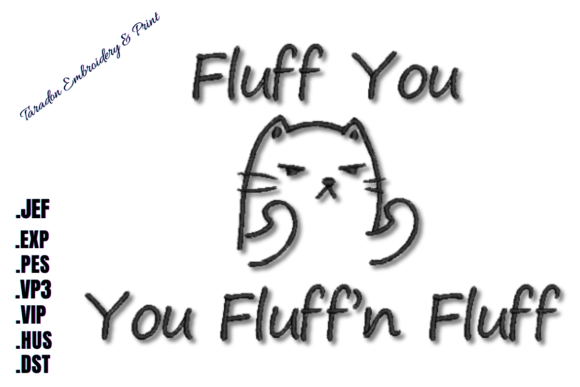
Fluff You Cat: A Designer's Review for Small Business Merch
As an embroidery designer who has spent years translating digital concepts into tangible thread on fabric, I approach every new machine embroidery design with a critical eye. My focus is not just on how cute a motif looks on a screen, but how it performs when stitched onto a staff uniform, a branded patch, or a premium tote bag. Today, I am reviewing the Fluff You Cat design, specifically evaluating its potential for small business merchandise and commercial branding. This piece promises to be a touch of humor and creativity in the world of embroidery, incorporating fluffy textures and intricate patterns to create a light-hearted aesthetic. But does it hold up under the scrutiny of professional production?
First Impressions: Playful Yet Professional
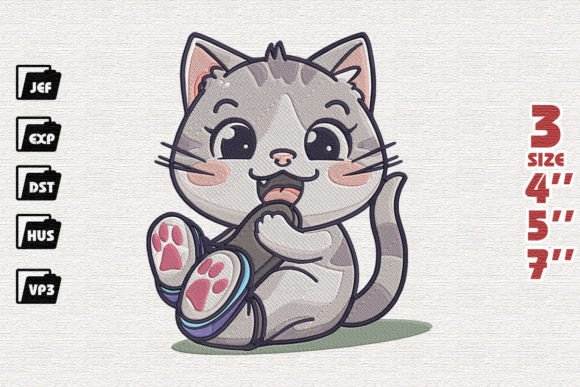
When I first loaded the digital embroidery file for Fluff You Cat, the immediate visual impact was one of whimsy. The design leans heavily into the "fluffy" description, utilizing satin stitches and fill patterns that mimic fur texture. For a brand identity rooted in warmth, playfulness, or pet-centric themes, this is exactly the kind of asset needed. It feels handmade and approachable rather than corporate and sterile.
However, the challenge with designs like this is balancing that playful nature with professionalism. In the realm of Cats and Embroidery, there is a fine line between a charming accent and a cluttered mess. The Fluff You Cat design manages to stay on the right side of this line by using distinct outlines that define the character without overwhelming the viewer. It suggests a brand that knows how to laugh at itself while maintaining quality standards. For boutique owners, bakeries, or creative studios looking to humanize their brand, this design offers a friendly face that customers will instantly recognize.
Real-World Application: From Patches to Uniforms
The true test of any embroidery file is its versatility across different substrates. Let's explore where Fluff You Cat shines in a commercial setting.
- Branded Patches: This is arguably the strongest use case. The intricate patterns and fluffy textures translate beautifully into an embroidered patch. Whether attached to a denim jacket, a canvas backpack, or a heavy-duty work apron, the raised texture adds a tactile element that flat prints cannot achieve. It becomes a collectible item for loyal customers.
- Staff Uniforms and Aprons: For a local café or a pet grooming salon, placing this design on the chest of a chef's coat or as a back-of-apron statement works wonders. It breaks the monotony of plain white uniforms and signals to customers that the business values personality. Just ensure the placement allows the full design to breathe.
- Cap Embroidery: While possible, the curved surface of a cap front requires careful consideration. If the design includes text alongside the cat, the curvature might distort the lettering. However, as a standalone logo on the side panel or the back of a snapback, it serves as a great conversation starter.
- Tote Bag Design: Canvas totes are a staple for small business merch. The sturdy fabric of a tote bag can handle the stitch density required for the fluffy details without puckering. This makes Fluff You Cat an excellent choice for event giveaways or retail bags.
Strategic Considerations for Brand Identity
Incorporating a design like Fluff You Cat goes beyond simple decoration; it shapes how your audience perceives your brand. When used correctly, it boosts customer trust by showing that you care about the details of your presentation. A well-executed custom apparel piece suggests attention to quality in your actual products or services.
For Etsy sellers and handmade brands, this design acts as a powerful visual anchor. It creates a cohesive look across product packaging, tags, and clothing. The humor inherent in the title and the playful execution can drive buyer engagement, encouraging social media shares and word-of-mouth marketing. However, consistency is key. If your brand voice is strictly formal or luxury-oriented, this design might clash unless used sparingly as a hidden detail or a limited-edition surprise.
Technical Challenges and Where to Be Careful
While I love the concept, a professional designer must warn against blind application. There are specific scenarios where Fluff You Cat requires caution or modification to ensure the finished product meets quality standards.
- Small Patch Sizes: Intricate patterns can get lost when scaled down. If you attempt to stitch this design smaller than 3 inches, the "fluffy" textures may merge into a solid blob, losing definition. Always check the minimum size recommendation before shrinking the hoop size.
- Fabric Texture: On highly textured fabrics like corduroy, thick wool, or knitted sweaters, the fine details of the cat's features might sink into the weave. Smooth cotton or twill provides the best backdrop for the thread colors to pop.
- Dark Uniforms: Light-colored threads on dark backgrounds require underlay stitching to prevent show-through. If your business uses black polos, ensure the stabilizer and underlay settings are optimized so the white or pastel elements of the cat do not appear muddy.
- High Stitch Density Areas: The "fluff" effect often relies on high stitch counts. On delicate fabrics like silk or thin rayon, this weight could cause puckering or distortion. Always test on a scrap piece of the actual material first.
Designer Notes for Production Success
To ensure your project involving Fluff You Cat succeeds, follow these practical steps derived from my experience in commercial embroidery:
- Test in Black and White: Before committing to expensive thread colors, run a test in a single color. This reveals if the spacing between stitches is adequate and if the design holds together structurally.
- Verify Hoop Size: Confirm that the design fits within your machine's maximum hoop dimensions. If it is too large, you may need to split the design or reduce the scale, which impacts the visual impact.
- Select the Right Stabilizer: For fluffy, dense designs, a cutaway stabilizer is often superior to tear-away, especially on stretchy fabrics. It supports the weight of the stitches during washing and wear.
- Create a Printable Mockup: Before mass production, generate a printable mockup showing the design on your specific product. Present this to your client or stakeholders for approval to manage expectations regarding size and placement.
- Check Commercial Licensing: This is non-negotiable. Ensure you have the rights to use the design assets for commercial purposes. Many free files are for personal use only. Verify the license terms before selling any handmade product featuring this art.
- Compare with Other Assets: Place the design next to your existing logos and fonts. Does the style match? If your main logo is geometric and modern, a whimsical cat might feel out of place unless balanced carefully.
Final Verdict
The Fluff You Cat design is a delightful addition to any embroidery library, particularly for businesses that want to inject personality into their merchandise. It excels as an embroidered patch, a tote bag accent, or a fun detail on staff aprons. By respecting the technical limitations of the design—such as minimum sizing and fabric compatibility—you can leverage its charm to build a stronger, more memorable brand identity.
For the savvy small business owner, this isn't just a picture of a cat; it is a tool for connection. When executed with proper stabilizers, correct hoop size, and thoughtful placement, it transforms a standard garment into a piece of wearable art that customers will want to keep. Just remember to verify your licensing and test thoroughly on real fabric before running a full production batch. With those precautions in place, Fluff You Cat is ready to make a stylish impression.