Reviewing the Little Witch Shoes and Hat Design
As a designer who has spent countless hours hooped up at the machine, I have learned that not every cute graphic translates well into thread. When I first pulled up the Little Witch Witch Shoes and Hat file on my screen, I was looking for more than just seasonal charm. I wanted to know if this design had the structural integrity to hold up on real products, from heavy canvas tote bags to delicate baby onesies. In the world of machine embroidery design, visual appeal is only half the battle; stitch logic is the other.
First Impressions and Visual Personality
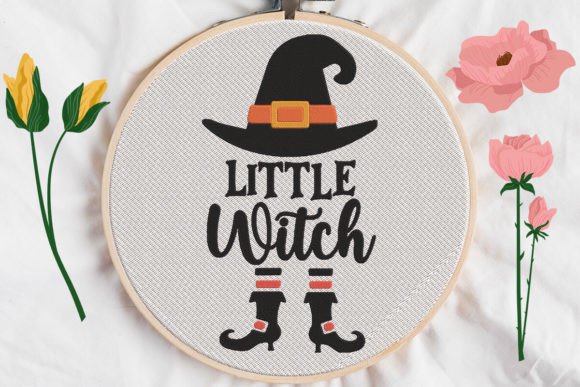
The immediate mood of this design is whimsical and playful, which fits perfectly within the Halloween category without leaning into anything too spooky or aggressive. The silhouette of the witch’s shoes and hat creates a balanced composition that feels grounded yet light. For an Etsy seller or small shop owner, this visual personality is crucial. It appeals to a broad demographic, including parents looking for festive baby clothes and adults wanting subtle holiday decor.
What stands out is the clarity of the shapes. In embroidery, complex gradients often get lost in translation, but this design relies on strong, recognizable forms. This suggests that the underlying stitch density is likely managed well to prevent puckering while maintaining definition. The design does not appear overly dense, which is a good sign for versatility across different fabric textures.
Real-World Application: The Tote Bag Test
To truly evaluate a design, you must imagine it stitched out. I pictured this Little Witch Witch Shoes and Hat motif centered on a natural cotton canvas tote bag design. This is a staple product for many craft business owners during the autumn season. The contrast between the dark threads typically used for witch hats and the neutral background would create a striking visual pop.
However, placement matters. On a curved surface like a cap or a structured sweatshirt, the width of the hat brim needs to be considered. If the design is too wide, it might distort around the seam of a sweatshirt embroidery project. For flat items like pillow covers or kitchen towels, the layout seems ideal. It acts as a focal point without overwhelming the item, making it a strong candidate for personalized gift collections where the customer might add their name below the motif.
Performance on Different Materials
One of the biggest challenges in commercial embroidery is adapting one design to multiple substrates. Here is how I anticipate this design performing:
- T-shirts and Apparel: On stretchy knits, the design needs proper stabilization. If the fill stitch areas are too dense, the fabric may pucker. A cut-away stabilizer would be essential here to maintain the shape of the witch’s hat over time.
- Towels and Home Decor: Terry cloth can swallow small details. If this design includes fine running stitch outlines, they might get lost in the loops of a towel. However, if the design uses bold satin stitch borders, it will stand out beautifully against textured fabrics.
- Baby Items: For baby embroidery, softness is key. High stitch counts can feel scratchy against sensitive skin. I would recommend testing this on scrap fabric first to ensure the back of the stitching is clean and not overly bulky.
Technical Considerations for Designers
Before adding this to your design assets library or listing it as a digital embroidery file for sale, there are practical steps to take. Since the product description mentions it comes with charm but lacks specific technical specs, you must verify the details yourself.
First, check the hoop size compatibility. Does this design fit within a 4x4 inch hoop for smaller projects like patches, or does it require a 5x7 or larger frame? Knowing this helps you market the product correctly to buyers with different machine capabilities. Second, inspect the thread colors suggested by the file. While you can change them, the default palette often reveals the designer’s intent for contrast and depth.
It is also wise to test the design in black and white mockups. This strips away color distraction and lets you see if the stitch density provides enough definition. If the shoes and hat blend into each other without color differentiation, you may need to adjust the underlay or add a border to separate the elements visually.
Avoiding Common Pitfalls
There are scenarios where this design should be used with caution. Avoid placing it on very thin, slippery fabrics like silk unless you are an experienced embroiderer using water-soluble stabilizers and fine needles. The weight of the thread could pull the fabric out of shape. Similarly, be careful with dark fabrics if the design relies on light-colored highlights that may not cover the base material effectively.
For embroidered patch creation, ensure the edges are finished with a solid satin stitch or merrowed edge if you plan to cut them out. A raw edge finish might fray after washing, reducing the perceived value of the finished product.
Boosting Product Value and Customer Trust
Using high-quality designs like Little Witch Witch Shoes and Hat directly impacts your brand consistency. When customers receive a handmade product that looks professional and durable, they are more likely to return. This design’s whimsical nature makes it highly "giftable," which drives engagement during the holiday season.
For small shop product lines, consistency in theme is key. This design pairs well with other autumnal motifs, allowing you to create cohesive collections for printable mockup previews and social media marketing. It signals to buyers that you pay attention to detail and curate your offerings carefully.
Final Verdict for Craft Entrepreneurs
The Little Witch Witch Shoes and Hat is a solid addition to any seasonal embroidery project lineup. It balances fun aesthetics with practical application, provided you respect the technical requirements of your chosen fabric. Whether you are creating custom apparel for a boutique or stocking up on holiday embroidery gifts, this design offers the flexibility needed for diverse applications.
Remember to always check the licensing terms before selling finished products or redistributing the applique design files. Confirm whether the license allows for commercial use on physical goods, as this is critical for Etsy sellers and independent makers. With proper testing and stabilization, this design can become a bestseller in your fall catalog, bringing a touch of magical charm to your customers’ everyday items.