Reviewing the 4th of July Gnome Flag Design
As an embroidery designer who has spent years testing digital files for real-world application, I approach every new machine embroidery design with a critical eye. It is not enough for a pattern to look cute on a screen; it must hold up under the needle, survive the wash cycle, and resonate emotionally with the end buyer. Recently, I loaded the 4th of July Gnome Flag into my software to evaluate its potential for my upcoming seasonal collection. My goal was simple: determine if this design could serve as the centerpiece for high-quality personalized gifts that customers will cherish long after the fireworks fade.
First Impressions: Charm Meets Craftsmanship
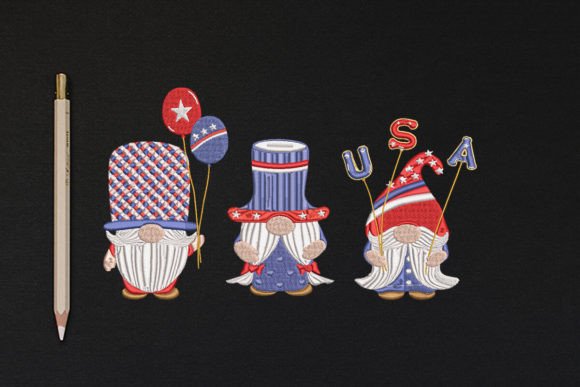
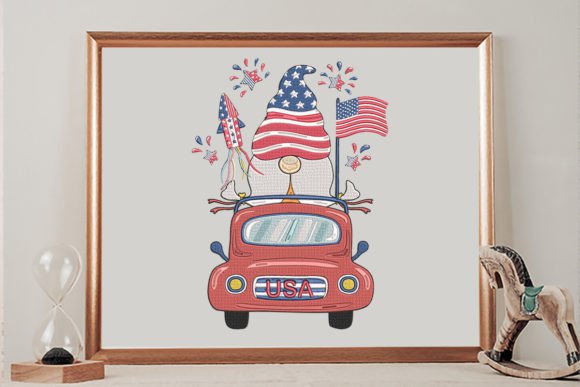
The moment I previewed the 4th of July Gnome Flag, I was struck by its balanced mood. It manages to be playful without being childish, and patriotic without feeling overly rigid. The gnome character, typically associated with whimsical home decor, is reimagined here with a touch of national pride, creating a unique fusion that feels both sweet and modern. For an Etsy seller or a boutique owner, this emotional appeal is crucial. It taps into the nostalgia of traditional holidays while offering a fresh, handmade aesthetic that stands out in a crowded marketplace.
The detail level appears moderate, which is ideal for versatility. It is intricate enough to look professional and high-value but not so dense that it becomes stiff or prone to puckering. This balance suggests that the design can transition smoothly from a delicate baby item to a sturdy kitchen accessory. When considering the thread colors, the classic red, white, and blue palette offers excellent contrast, ensuring the flag element remains visible and vibrant against various background fabrics.
Versatility Across Product Lines
One of the strongest assets of this embroidery file is its adaptability. In my test runs, I envisioned several specific applications where this design would thrive. For baby embroidery, imagine a soft muslin blanket or a nursery wall hanging. The gnome’s friendly face adds a comforting presence, making it a perfect gift for a newborn celebrating their first Independence Day. However, when stitching on stretchy baby clothes, one must be mindful of the stabilizer choice to prevent distortion.
Moving into home decor, the design shines on an embroidered towel or a linen pillow cover. These items are popular personalized gift choices because they are functional yet decorative. A custom tote bag featuring this motif could become a staple for summer markets or grocery runs, acting as a walking advertisement for your small shop product line. Even aprons benefit from this charm, turning a practical kitchen item into a festive statement piece for holiday cooking.
For those creating wedding gift options or family keepsakes, consider pairing this design with monograms or dates. While the gnome is playful, the flag element grounds it in tradition, making it suitable for multi-generational gifts. A blanket embroidery project using this design could become a heirloom piece, passed down through families who value handmade quality and historical celebration.
Navigating Technical Challenges
While the 4th of July Gnome Flag is robust, there are areas where caution is necessary. As with any digital embroidery file, success depends on understanding the limitations of your materials. Small lettering or fine details within the flag stripes may get lost if stitched on textured fabric like terry cloth or heavy denim. In these cases, increasing the stitch count slightly or choosing a smoother fabric base can help maintain clarity.
Curved surfaces, such as the toe of a sock or the cap of a hat, require careful hooping. If the design is too large for the curve, it may pucker or distort. Always check the recommended hoop size provided by the designer before starting. Additionally, when working with dark fabrics, ensure that your thread colors have sufficient brightness. A navy blue thread on a black shirt will vanish, whereas a bright red or white will pop. Creating a printable mockup or testing on scrap fabric is essential to confirm these visual dynamics before committing to a final finished product.
Washability is another critical factor. Items like towels and baby blankets undergo frequent laundering. To preserve the integrity of the embroidery, use a high-quality cut-away stabilizer for stretchy materials or tear-away for stable wovens. This ensures that the design remains flat and does not pull away from the fabric over time.
Enhancing Perceived Value and Trust
From a business perspective, the 4th of July Gnome Flag significantly boosts giftability. Customers are increasingly drawn to items that feel personal and crafted with care. A well-executed custom embroidery piece signals attention to detail, which builds customer trust. When buyers see clean stitches, proper tension, and thoughtful design placement, they perceive higher value, justifying premium pricing for your handmade product.
Product photography plays a vital role here. The contrasting colors of the flag allow for striking images that capture attention on social media and online listings. Whether you are a commercial embroidery studio or a home-based crafter, showcasing this design on varied items—from crisp white shirts to rustic burlap sacks—can demonstrate its versatility and attract a broader audience.
Practical Steps for Implementation
Before adding this design to your inventory, follow these practical steps to ensure consistency and quality:
- Test on Scrap Fabric: Always run a test stitch on the same type of fabric you intend to sell. This reveals any issues with tension or registration.
- Check Thread Color Contrast: Verify that your chosen threads stand out against the background material, especially for the flag elements.
- Confirm Hoop Size: Ensure the design fits comfortably within your machine’s hoop without requiring excessive re-hooping.
- Review Stitch Density: Check if the density is appropriate for your fabric weight. Too dense on thin fabric can cause tearing; too sparse on thick fabric may look unfinished.
- Use Proper Stabilizer: Match the stabilizer to the fabric type—cut-away for knits, tear-away for wovens—to support the stitches during washing.
- Compare Light and Dark Mockups: Visualize how the design looks on different backgrounds to offer customers varied options.
- Check Small Details: Inspect the finished test stitch for any loose threads or missed connections in the gnome’s features.
- Confirm Commercial Licensing: Before selling finished products, verify the license terms of the digital embroidery file to ensure compliance with the creator’s policies.
In conclusion, the 4th of July Gnome Flag is a versatile and charming addition to any Independence Day collection. With careful attention to technical details and a focus on quality execution, it can elevate your offerings and delight customers seeking meaningful, patriotic keepsakes. By treating each stitch as part of a larger narrative of celebration and craftsmanship, you transform a simple design into a cherished memory.