Green Eye: A Designer’s Practical Review
As an embroidery designer who has spent countless hours digitizing and testing files, I approach every new machine embroidery design with a mix of curiosity and skepticism. We have all been there: you download a file that looks stunning on the screen, only to find it turns into a puckered mess or loses its charm once stitched out. That is why I took a close look at Green Eye, not just as a digital asset, but as a potential centerpiece for real-world projects. This review is written for fellow designers, Etsy sellers, and crafters who need to know if this design will hold up in a commercial or personal setting.
First Impressions and Visual Personality
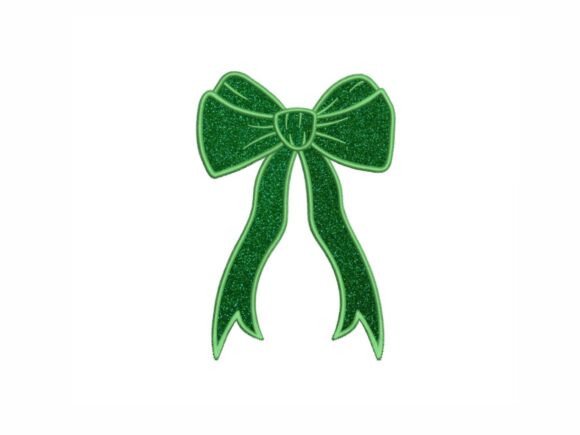
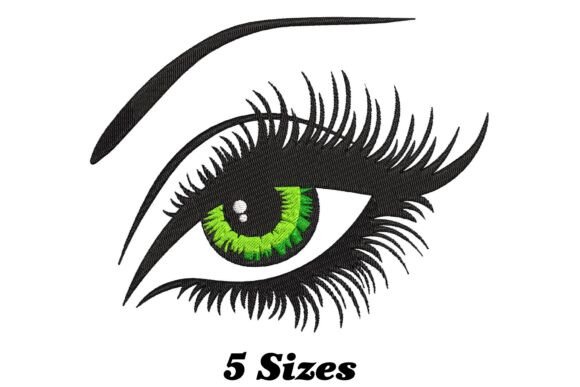
The first thing that strikes you about Green Eye is its lively character. It does not try to be overly complex or hyper-realistic, which is often a trap for beginner digitizers. Instead, it offers a creative touch that feels modern and approachable. The layout suggests a balance between bold shapes and finer details, making it versatile enough for various applications. In the realm of Beauty and lifestyle products, visual appeal is everything. A design needs to communicate personality instantly. Green Eye achieves this by offering a focal point that draws the viewer in without overwhelming the fabric.
When I visualize this embroidery project, I see it working best where it can breathe. It is not a background filler; it is a statement piece. The mood it creates is one of freshness and creativity, aligning well with current trends in handmade home decor and personalized apparel. For those of us selling design assets or finished goods, this kind of visual clarity is crucial because it translates well in photos and printable mockups.
Real-World Application: The Tote Bag Test
To truly evaluate Green Eye, I imagined a specific scenario: creating a custom tote bag for a local farmer’s market brand. Canvas is a forgiving fabric, but it has a distinct texture. I considered how the stitch density of this design would interact with the weave of the cotton canvas. If the design relies heavily on satin stitch borders, it will pop nicely against the matte background. If it uses too much fill stitch in a small area, it might cause stiffness.
In this context, Green Eye shines as a tote bag design. It is large enough to be seen from a distance but detailed enough to reward closer inspection. For an Etsy seller, this means the product photographs well. Customers scrolling through listings need to see crisp lines and vibrant thread colors. The design’s structure suggests it would maintain its integrity even after the bag is stuffed with groceries or books, provided the correct stabilizer is used.
Versatility Across Product Lines
Beyond tote bags, I evaluated where else this design could fit within a craft business inventory. Here is how Green Eye performs across different categories:
- Custom Apparel: On a sweatshirt, the design adds a boutique feel. It works well on the chest or sleeve, provided the hoop size accommodates the width. For t-shirts, caution is needed due to the stretchy fabric, but with proper stabilization, it can elevate a basic tee into a personalized gift.
- Home Decor: Think pillow covers or tea towels. The lively nature of the design brings energy to neutral spaces. It fits seamlessly into the Embroidery niche for home accents, appealing to buyers looking for unique, non-mass-produced items.
- Baby Items: While cute, one must check the scale. If the details are too small, they may not survive frequent washing. However, if scaled up for a baby blanket or bib, it becomes a charming baby embroidery option.
- Holiday and Gifts: This design is not strictly seasonal, which makes it a year-round asset. It can be adapted for holiday embroidery by changing thread colors to match festive themes, increasing its utility for small shop owners.
Technical Considerations and Pitfalls
No design is perfect for every situation. As a reviewer, I must highlight where Green Eye requires careful handling. If you are working with textured fabrics like terry cloth towels, the finer details might get lost. In such cases, increasing the stitch count slightly or using a contrasting underlay can help. For dark fabrics, ensure your thread colors have enough contrast. A dark green on black navy will vanish, ruining the visual impact.
Another critical factor is the hoop size. Always confirm the dimensions before purchasing or stitching. If Green Eye is near the edge of your maximum hoop capacity, you risk hitting the hoop arms during stitching, especially on curved surfaces like caps. Speaking of caps, while this could work as an embroidered patch applied to a hat, stitching it directly onto a structured cap requires precise positioning and strong stabilizer to prevent distortion.
For those interested in commercial embroidery, pay attention to the stitch types. Long satin stitches can snag if not properly secured. If the design includes tiny lettering or intricate corners, test it on scrap fabric first. What looks smooth in a digital embroidery file preview might pucker in real life if the tension is off.
Enhancing Brand Value and Customer Trust
Why does the choice of design matter for your brand? Because consistency builds trust. Using a high-quality, well-digitized design like Green Eye signals professionalism. When customers receive a finished product that lies flat, has no loose threads, and features clear, vibrant stitching, they are more likely to leave positive reviews and return for future purchases. This design supports that goal by offering a clean, professional aesthetic that appeals to a broad audience.
For small shop product lines, versatility is key. A design that works on both a kitchen towel and a tote bag allows you to maximize your marketing efforts. You can create cohesive collections, using the same motif across different items. This strengthens brand recognition and makes your shop look curated and thoughtful.
Practical Designer Notes
Before you commit to a large production run or list this as a new item in your store, follow these practical steps:
- Test on Scrap Fabric: Always stitch a sample on the exact fabric type you intend to use. Check for puckering or thread breaks.
- Check Thread Contrast: View your design in black and white. If the details disappear, you need higher contrast between the thread and the fabric.
- Review Stitch Density: Ensure the design is not too dense for lightweight fabrics, which can cause tearing or stiffness.
- Confirm Licensing: The description mentions sprucing up fabrics, but always verify if the license allows for commercial sales of finished items. Most standard licenses do, but it is vital to be sure.
- Use Proper Stabilizer: Match your stabilizer to your fabric. Cut-away for stretchy knits, tear-away for stable wovens.
In conclusion, Green Eye is a strong contender for designers looking to add a lively, creative touch to their portfolio. It balances aesthetic appeal with practical usability, making it suitable for a wide range of handmade products. By paying attention to fabric choice, stabilization, and thread selection, you can ensure that this design delivers the professional quality your customers expect. Whether you are creating a custom apparel line or stocking up on unique gifts, this design offers the flexibility and charm needed to stand out in a crowded market.