Easter Bunny Gnome Girl: A Designer's Real-World Review
As a designer who has spent years curating assets for both personal crafting and commercial production, I approach every new machine embroidery design with a critical eye. The market is flooded with generic patterns, so finding a piece that truly adds exclusivity to your projects is rare. Today, I am evaluating the Easter Bunny Gnome Girl, a design that promises to bring a unique twist to seasonal decor. Before you download this file or commit it to a client order, let’s break down how it actually performs in a real workshop environment.
First Impressions: Mood and Visual Personality
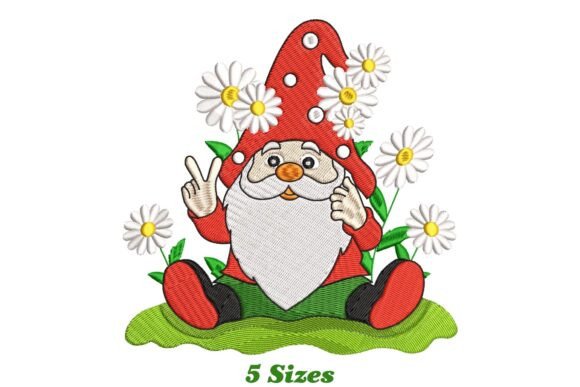
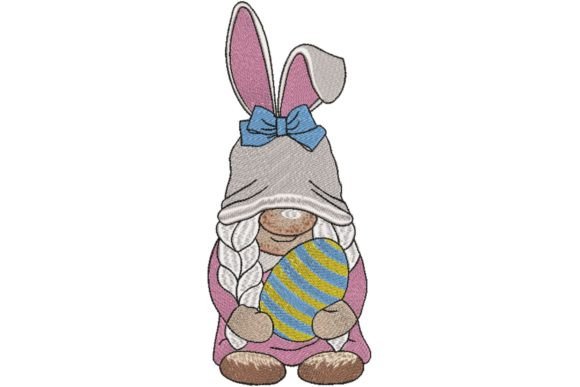
When I first loaded the preview of Easter Bunny Gnome Girl, the immediate reaction was one of delight mixed with practical curiosity. The fusion of the classic Easter bunny motif with the whimsical aesthetic of a gnome creates a distinct visual personality. It avoids the overused pastel cliches often found in holiday collections, offering instead a character-driven design that feels fresh and modern. The layout suggests a balanced composition where the proportions are key; the hat brim and the bunny ears create a natural frame that draws the eye inward.
For an Etsy seller or a boutique owner, this kind of character design is gold. It tells a story instantly. Unlike abstract floral motifs, a character like the Easter Bunny Gnome Girl invites customers to imagine the finished product on a specific item. It feels less like a decoration and more like a collectible element. The detail level appears moderate, which is often the sweet spot for commercial viability. It is intricate enough to look high-quality but not so dense that it risks thread breaks or excessive stitching time.
Testing the Design: A Real Project Scenario
To truly understand the value of this embroidery file, I imagined a specific scenario: preparing a limited-run collection of custom apparel for a spring craft fair. Specifically, I visualized placing the Easter Bunny Gnome Girl on the chest of a heavy-weight cream sweatshirt. In this context, the design shines. The contrast between the soft fabric texture and the crisp definition of the satin stitch and fill stitch areas would likely create a premium feel.
I also considered its application on a tote bag design. Canvas is a forgiving medium, but it requires a stabilizer that can handle the pull of the needle without puckering. With a design like this, the density of the stitches needs to be managed carefully. If the fill stitch is too tight, the canvas might warp slightly around the edges of the gnome’s hat. However, if the stitch density is optimized, as it appears to be in the preview, the result would be a sturdy, professional-looking handmade product that stands out among mass-produced alternatives.
For those focusing on baby embroidery, this design offers a softer, more playful alternative to traditional bunnies. Imagine it on a nursery pillow cover or a personalized gift like a blanket. The rounded shapes of the gnome and the bunny ears soften the overall look, making it perfect for items intended for young children. The visual appeal here directly impacts buyer engagement; parents looking for unique holiday gifts often seek designs that feel special rather than generic.
Navigating Fabric Challenges and Technical Nuances
While the Easter Bunny Gnome Girl looks promising, experienced designers know that success depends heavily on execution. There are specific situations where this design requires careful handling. First, consider small hoop sizes. If you attempt to stitch this character into a 4x4 inch hoop, you may lose the finer details of the face or the texture of the clothing. Always confirm the required hoop size before starting. If the design is meant for a larger area, scaling it down too much can compromise the clarity of the running stitch outlines.
Fabric choice is equally critical. On dark fabric, the light-colored thread typically used for gnomes will pop beautifully, but you must ensure the backing is robust enough to prevent show-through. Conversely, on thin or stretchy fabric, such as a jersey t-shirt, the weight of the embroidery could cause distortion. Using the proper stabilizer is non-negotiable here. A tear-away stabilizer might suffice for a structured tote bag, but a cut-away stabilizer would be safer for a sweatshirt or a garment that will undergo frequent washing.
Another area of caution involves textured fabrics. If you plan to use this design on a chunky knit or a highly napped material, the needle may struggle to penetrate evenly, leading to skipped stitches. In these cases, testing the design on scrap fabric first is essential. Check whether the small details, like the eyes or the buttons on the gnome’s outfit, remain visible against the fabric grain. Additionally, if you are working on curved surfaces like caps, the transition from flat to curved can distort the symmetry of the Easter Bunny Gnome Girl. You may need to adjust the tension or split the design into smaller sections to maintain accuracy.
Commercial Viability and Brand Consistency
For creative entrepreneurs and small shop owners, the question isn't just about how good the design looks, but how it performs as a business asset. The Easter Bunny Gnome Girl has strong potential for brand consistency. Its unique style allows it to become a signature look for your spring collection. When used across multiple products—such as aprons, tea towels, and embroidered patches—it creates a cohesive narrative that strengthens your brand identity.
However, remember that selling finished items made with digital embroidery files requires attention to licensing. While this machine embroidery design comes with multiple embroidery file formats, ensuring you have the right permissions for commercial use is vital. Do not assume that purchasing the file grants unlimited rights to sell the physical goods. Always review the license terms provided by the creator. This protects your business and maintains trust with your customers.
Furthermore, the perceived value of your handmade product increases when the embroidery is flawless. Customers today are discerning; they can spot poor stitch quality from a mile away. By taking the time to test the design, check thread color contrast, and verify stitch density, you demonstrate professionalism. A well-executed Easter Bunny Gnome Girl on a high-quality substrate signals that you care about the details, which builds customer loyalty and encourages repeat business.
Practical Designer Notes for Success
Before you commit this design to a final run, follow these practical steps to ensure the best results:
- Test on Scrap Fabric: Never skip the test run. Stitch the design on a piece of the actual fabric you intend to use to check for puckering and alignment.
- Review Thread Colors: Ensure the palette matches your project vision. Sometimes a slight shift in hue can make the difference between a flat image and a vibrant character.
- Inspect Small Details: Zoom in on the digital preview to see if tiny elements like facial features will hold up after stitching.
- Use Proper Stabilizer: Match the stabilizer type to the fabric weight and the design's density to prevent distortion.
- Check Licensing: Confirm that the digital product preview and the final file allow for the commercial sale of finished goods.
- Create Mockups: Use printable mockups to visualize how the design looks on different products before investing in materials.
In conclusion, the Easter Bunny Gnome Girl is a versatile and charming addition to any embroidery project portfolio. It bridges the gap between holiday tradition and modern whimsy, offering endless possibilities for custom apparel, home decor, and personalized gifts. With careful planning and attention to technical details, this design can elevate your craft business and deliver a finished product that customers will love.