Born to Hunt Cute Dog: A Business Design Review
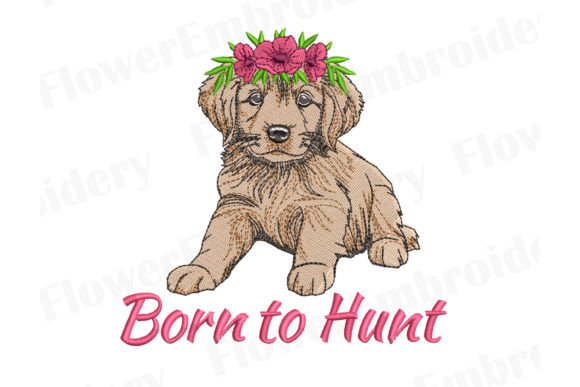
As a professional embroidery designer who has spent years translating digital files into tangible brand assets, I approach every new design with a critical eye. When a small business owner or apparel decorator asks for my opinion on Born to Hunt Cute Dog, I am not just looking for a cute picture of a dog. I am evaluating whether this specific machine embroidery design can withstand the rigors of commercial production while enhancing brand identity. The title suggests a playful, rustic charm, but in the world of branded merchandise, whimsy must be balanced with technical precision. This review breaks down how this design performs when moved from a digital screen to staff uniforms, embroidered patches, and boutique merchandise.
First Impressions: Visual Personality and Brand Fit
The concept behind Born to Hunt Cute Dog immediately signals a specific aesthetic: friendly, approachable, and slightly nostalgic. For businesses operating in the pet niche, outdoor lifestyle markets, or local community hubs like cafes and bakeries, this visual personality is an asset. Unlike corporate logos that demand strict minimalism, this design leans into character. It feels handmade and premium without being overly ornate. However, the description notes it is ideal for "towels, pillows, home decor," which raises a question for merch creators: does this translate well to apparel?
In my experience, designs labeled for home decor often feature softer curves and less aggressive outlining. For a brand identity focused on warmth and community, this works perfectly. If you are a florist or a boutique selling handmade products, this design acts as a conversation starter. It softens the brand image, making customers feel welcome. Yet, for a high-end tech startup or a formal service provider, the "cute" factor might undermine professionalism. The key is alignment; this design shines where the brand voice is casual, fun, and personable.
Performance in Real-World Business Applications
When we move beyond the screen and discuss real-world application, Born to Hunt Cute Dog offers versatile opportunities for small business merch. Let's examine its performance across different product categories.
Embroidered Patches and Caps
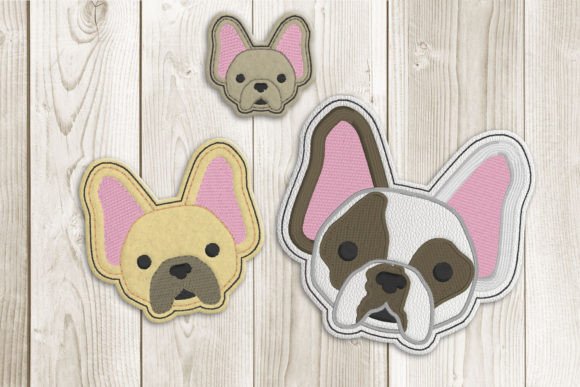
One of the most effective uses for this design is as an embroidered patch. Patches allow for higher stitch density and intricate details that might get lost on flat fabric. You can create a collection of detachable patches for hats, denim jackets, or tote bags. The "hunt" theme pairs exceptionally well with cap embroidery. Imagine a field guide company or a hunting supply store using this on their staff caps. The contrast between the rugged activity implied by the title and the cute execution creates a unique marketing hook. Just ensure the digitization supports the curvature of a baseball cap front without distorting the dog's features.
Staff Uniforms and Aprons
For a local bakery, coffee shop, or pet grooming salon, apron embroidery is a cost-effective way to build team cohesion. Placing this design on the chest pocket or the lower hem of an apron adds a touch of personality to workwear. Because the design is described as having "whimsy and charm," it humanizes the staff. Customers are more likely to engage with a barista wearing a shirt that features a friendly dog motif than one with a generic logo. However, placement matters. On dark uniforms, you must carefully select thread colors to ensure visibility. Light pastels may disappear on navy blue or black fabrics, requiring a dense underlay or a color shift to maintain legibility.
Tote Bags and Event Merchandise
Tote bag design is another strong contender. Totes serve as mobile billboards for your business. Since canvas and cotton blends have a textured surface, they handle the whimsical nature of this design well. For event merch, such as a local dog adoption drive or a craft fair, this design can be used on giveaway items to boost buyer engagement. The finished product should look substantial enough to justify the price point, so the stitching quality must be impeccable.
Critical Considerations for Production
While the potential is high, there are specific areas where Born to Hunt Cute Dog requires careful handling to avoid production nightmares.
Size Limitations and Detail Retention
A common pitfall with detailed animal designs is shrinking them too much. If you attempt to use this as a tiny sleeve detail or a small logo on a pen case, the details of the dog's face may blur together. Always check the minimum recommended size. If the file includes fine outlines or text, these will suffer at small scales. For cap embroidery, keep the design centered and sized appropriately to fit within the standard 3-inch hoop area without stretching.
Fabric Texture and Stabilizer Choice
The description mentions towels and pillows, which are thick, textured fabrics. While this design works there, applying it to stretchy knit shirts or thin dress materials requires a different approach. You must test the design on the actual fabric texture you intend to use. A heavy stabilizer is non-negotiable for terry cloth towels, whereas a lightweight cut-away stabilizer might be better for a cotton tee. Without the proper backing, the stitches may pucker, ruining the professional look of the finished product.
Stitch Density and Washing Durability
If this design is intended for items that require frequent washing, such as staff aprons or reusable shopping bags, you must inspect the stitch density. Areas with very high density can become stiff and crack over time. Conversely, low density might lead to thread pull-through on textured fabrics. As a designer, I always recommend running a test run in black and white first to identify any structural weaknesses before committing to expensive thread colors.
Strategic Implementation Checklist
To ensure Born to Hunt Cute Dog elevates your brand rather than complicating your workflow, follow these practical steps:
- Verify Licensing: Before using any digital embroidery file for commercial projects, confirm the license terms. Ensure you have the right to sell items featuring this design as part of your small business merch.
- Test Stitch Counts: Do not assume the provided stitch count is accurate for your machine. Run a sample to check timing and tension.
- Color Contrast Analysis: Create a printable mockup showing the design on various background colors. Ensure the thread colors pop against the fabric.
- Hoop Size Confirmation: Check if the design fits your smallest available hoop. If it requires a large hoop, it limits your ability to embroider on curved surfaces like caps or sleeves.
- Client Approval: If you are a decorator working for a client, always show a physical sample or a high-quality mockup for approval before mass production.
- Compare Design Assets: Place this design next to your existing brand assets. Does the style match? Is it too cartoonish for a serious brand, or just right for a playful one?
Impact on Brand Identity and Customer Trust
Ultimately, the decision to use Born to Hunt Cute Dog comes down to how it affects customer perception. In the crowded marketplace of handmade brands and Etsy sellers, consistency is key. If your brand is built on trust, quality, and a distinct personality, this design can reinforce those values. It shows that you care about the details and enjoy bringing joy to your customers. However, if the execution is sloppy or the design clashes with your overall aesthetic, it can damage credibility.
When done correctly, this machine embroidery design becomes more than just a picture of a dog; it becomes a symbol of your brand's character. Whether on a custom apron, a branded patch, or a promotional tote, it invites interaction. It tells a story. For the savvy business owner, understanding the technical limitations and strategic applications of such a design is what separates a hobbyist from a professional merchant. By testing thoroughly and placing the design thoughtfully, you turn a simple embroidery file into a powerful tool for growth and recognition.